Your Location:Home > Products > Solvents > Calcium lactate
CasNo: 814-80-2
MF: C6H10CaO6
Appearance: powder
Delivery Time: 15 days
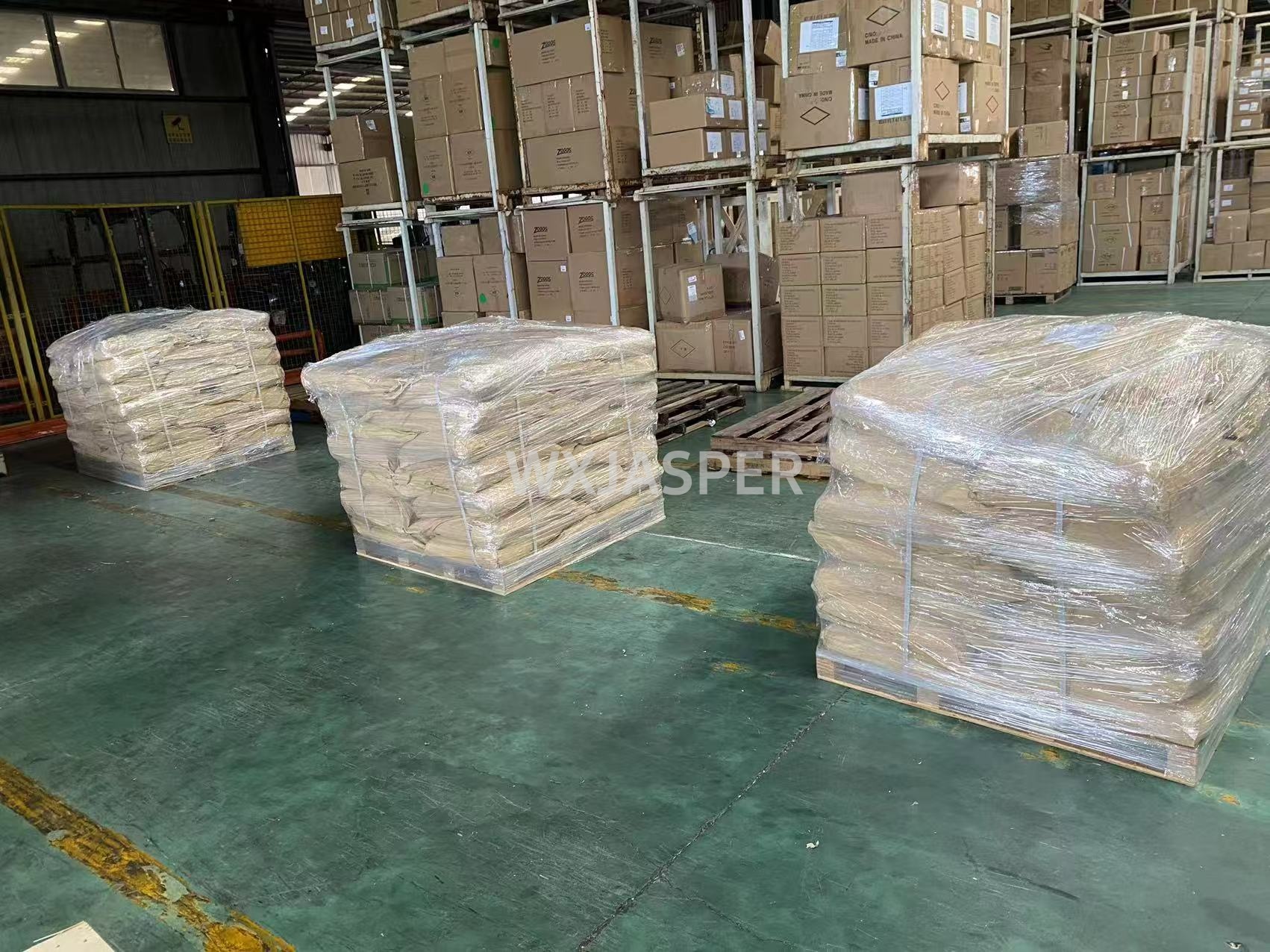
Packing: 25kg/bag
Purity: 99%
Basic Information
|
Model NO. |
814-80-2 |
Appearance |
powder |
|
Color |
Colorless |
Purity |
99% |
|
Grade Standard |
Industrial Grade |
Specification |
25kg/bag |
|
Transport Package |
Bag |
Origin |
China |
Product Description
CAS No: 814-80-2
Form: Powder
Product Application
1.Food Industry (Core Application):
Calcium Fortificant: Widely used in a vast range of calcium-fortified foods due to its neutral flavor, good solubility, and high stability. Ideal for:
Dairy Products: Fortified milk, yogurt, cheese, ice cream.
Beverages: Fruit juices, sports drinks, plant-based protein drinks, powdered beverages.
Bakery Products: Bread, biscuits, pastries (serving dual roles as fortificant and leavening agent).
Confectionery & Chocolate: Hard candies, gummies, chocolate products.
Meat Products: Used as a quality improver and calcium source in sausages, hams, etc.
Processing Aid & Improver:
Leavening Agent: Reacts with acids in baking powder to produce gas.
Buffer/pH Regulator: Stabilizes food pH.
Dough Conditioner: Provides nutrition for yeast, improving bread texture.
Firming Agent: Maintains crispness in canned fruits and vegetables.
2.Pharmaceuticals & Dietary Supplements:
Used in calcium supplement tablets, capsules, effervescent tablets, oral solutions, and chewables. Particularly suited for formulating high-calcium, high-absorption, stomach-friendly "gentle calcium" supplements.
Used to treat calcium deficiency and prevent osteoporosis.
3.Other Applications:
Toothpaste Additive: Functions as an anti-tartar agent and abrasive.
Animal Feed Additive: Serves as a calcium source in feed.
Packaging
25Kg/Bag
Storage
The pentahydrate should be stored in a tightly sealed container to prevent efflorescence. Anhydrous and lower hydrates should be stored in a dry place.
Address: Chalin Village, Dingshu Town, Yixing City, Jiangsu Province, China, 214200Email:sales@wxjasper.com
Tel:+86-15906152668Phone:+86-15906152668