Your Location:Home > Products > Solvents > PHOSPHOENOLPYRUVIC ACID TRIS(CYCLOHEXYLAMMONIUM) SALT
CasNo: 35556-70-8
MF: C3H2O6P-3
Appearance: powder
Delivery Time: 15 days
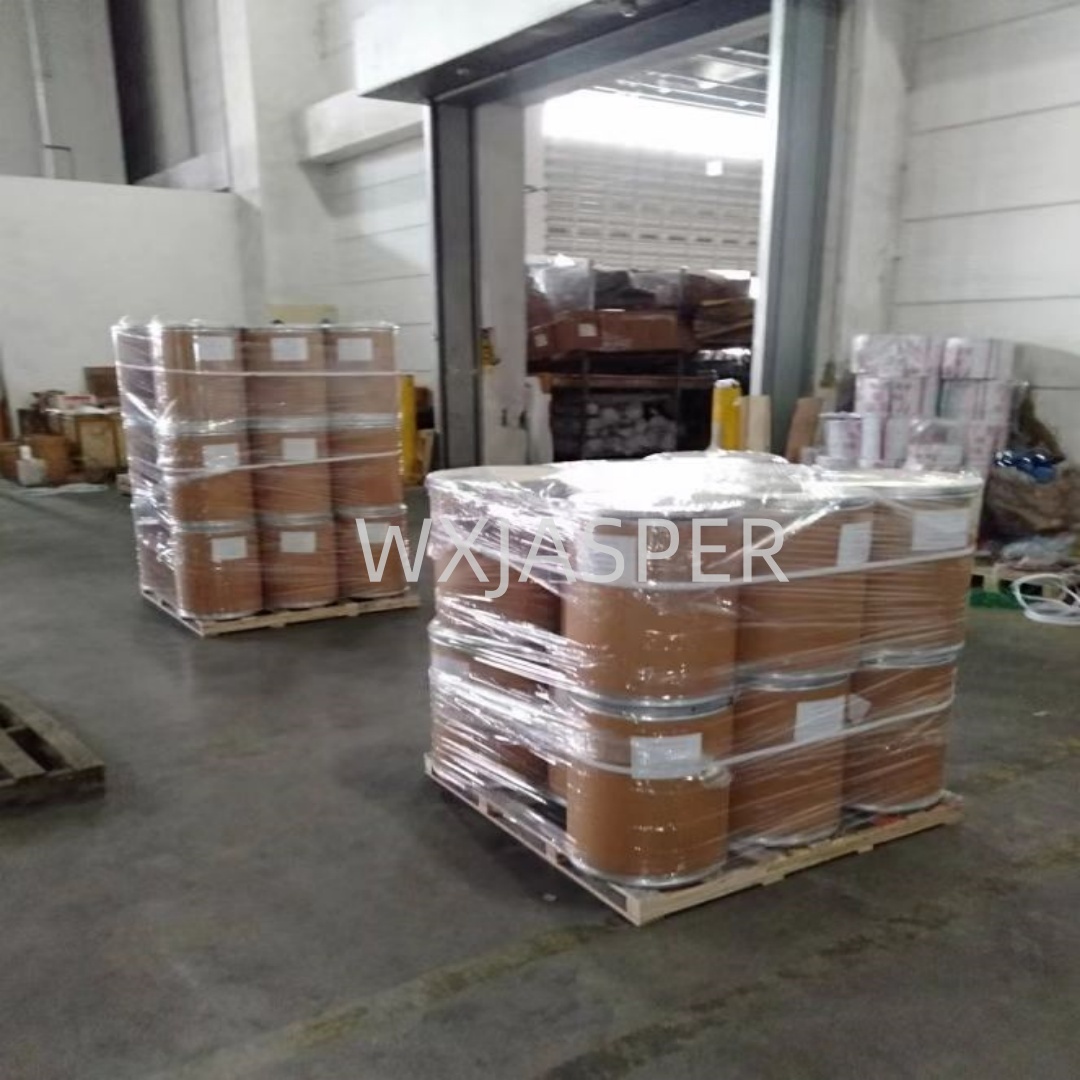
Packing: 25kg/drum
Purity: 99%
Basic Information
|
Model NO. |
35556-70-8 |
Appearance |
powder |
|
Color |
Colorless |
Purity |
99% |
|
Grade Standard |
Industrial Grade |
Specification |
25kg/drum |
|
Transport Package |
Drum |
Origin |
China |
Product Description
CAS No: 35556-70-8
Form: Powder
Product Application
1.Pyruvate Kinase (PK) Activity Assay:
The Classic Substrate: In the lactate dehydrogenase (LDH)-coupled NADH oxidation assay, PEP is the direct substrate for PK. PK catalyzes PEP + ADP → Pyruvate + ATP. The generated pyruvate is subsequently reduced to lactate by LDH, oxidizing NADH to NAD+. The rate of decrease in absorbance at 340 nm allows precise measurement of PK activity. This is its most important and classic application.
2.Other Kinase Assays & ATP Regeneration Systems:
In multi-enzyme coupled reactions requiring a continuous ATP supply, PEP can be used with PK and ADP to form an ATP regeneration system: PEP + ADP (catalyzed by PK) → ATP + Pyruvate. This maintains a stable ATP concentration, driving ATP-consuming reactions (e.g., protein phosphorylation, nucleic acid synthesis, cell metabolism simulation) forward.
3.Metabolic Studies:
Used for in vitroreconstitution and flux analysis of related pathways such as glycolysis, gluconeogenesis, and the TCA cycle.
A key reagent for studying cellular energy metabolism.
4.Component of Diagnostic Kits:
A core component in clinical diagnostic kits for measuring serum pyruvate kinase activity.
Packaging
25Kg/Drum
Storage
Store at -20°C, in a dry place, protected from light. Storage under an inert atmosphere (e.g., nitrogen) is recommended. After opening, aliquot to avoid repeated freeze-thaw cycles and moisture absorption.
Address: Chalin Village, Dingshu Town, Yixing City, Jiangsu Province, China, 214200Email:sales@wxjasper.com
Tel:+86-15906152668Phone:+86-15906152668