Your Location:Home > Products > Solvents > 3-(N-Morpholinyl)-2-hydroxypro
CasNo: 79803-73-9
MF: C7H14NNaO5S
Appearance: powder
Delivery Time: 15 days
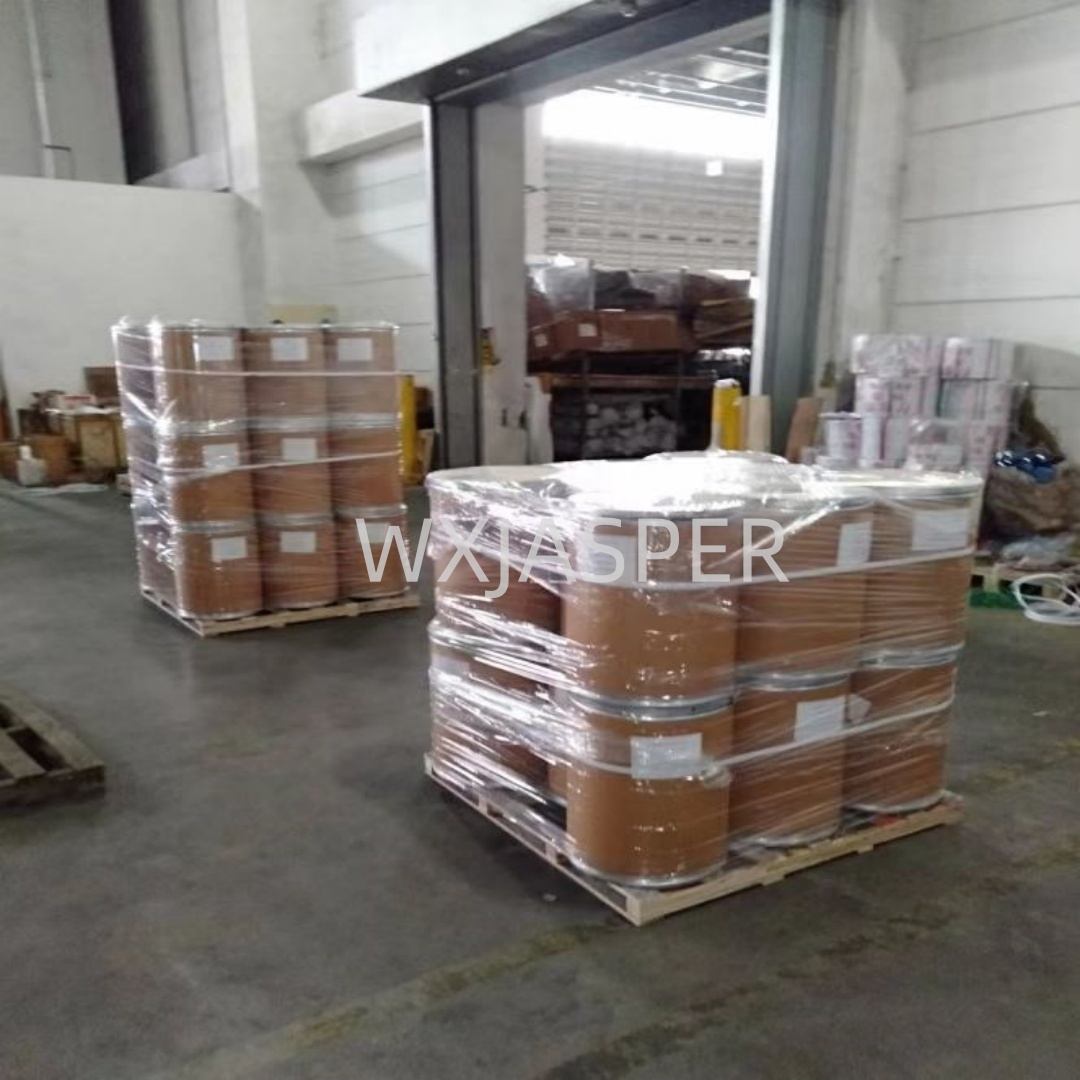
Packing: 25kg/drum
Purity: 99%
Basic Information
|
Model NO. |
79803-73-9 |
Appearance |
powder |
|
Color |
Colorless |
Purity |
99% |
|
Grade Standard |
Industrial Grade |
Specification |
25kg/drum |
|
Transport Package |
Drum |
Origin |
China |
Product Description
Product Name:3-(N-Morpholinyl)-2-hydroxypro
CAS No: 79803-73-9
Form: Powder
Product Application
1 Protein Science
Protein Purification: Particularly suitable as a buffer for ion-exchange chromatography of proteins with isoelectric points (pI) in the 6.8-7.2 range.
Protein Crystallization: Used as a component in crystallization screens; the hydroxyl group can participate in hydrate layer formation within the crystal lattice.
Protein Stability Studies: The pH 6.9-7.1 window is critical for studying the conformation and stability of many proteins.
2 Enzymology
pH-Optima Studies: Ideal for activity assays of enzymes with optimal pH near neutrality (e.g., certain isomerases, hydrolases).
Metalloenzyme Research: Its weak metal-chelating property can be used to modulate the concentration of free metal ions in studies of metalloenzymes.
3 Cell Biology
Mitochondrial Studies: The mitochondrial matrix pH is ~7.0, making MOPSO sodium salt an excellent buffer for isolation and functional assays of mitochondria.
Specialized Microbial Culture: Suitable for culturing certain bacteria and archaea with optimal growth pH around 6.8-7.0.
4 Analytical & Separation Techniques
Capillary Electrophoresis (CE): Serves as a background electrolyte for the separation of proteins and peptides.
Isoelectric Focusing (IEF): Useful for establishing pH gradients in the 6.5-7.5 range.
Native Gel Electrophoresis: Provides conditions for separating proteins in their native conformation at near-neutral pH.
5 Biophysical Chemistry
Ligand Binding Studies: Used as a standard buffer in techniques like Isothermal Titration Calorimetry (ITC) and Surface Plasmon Resonance (SPR) for precise pH control.
pH Titration Studies: Can serve as a standard reference buffer substance.
Packaging
25Kg/Drum
Storage
Store in a tightly sealed container in a cool, dry place (2-8°C recommended). Hygroscopic.
Address: Chalin Village, Dingshu Town, Yixing City, Jiangsu Province, China, 214200Email:sales@wxjasper.com
Tel:+86-15906152668Phone:+86-15906152668