Your Location:Home > Products > Lactic Acid Series > L(+)-Lactic acid 80
CasNo: 79-33-4
MF: C3H6O3
Appearance: liquid
Delivery Time: 15 days
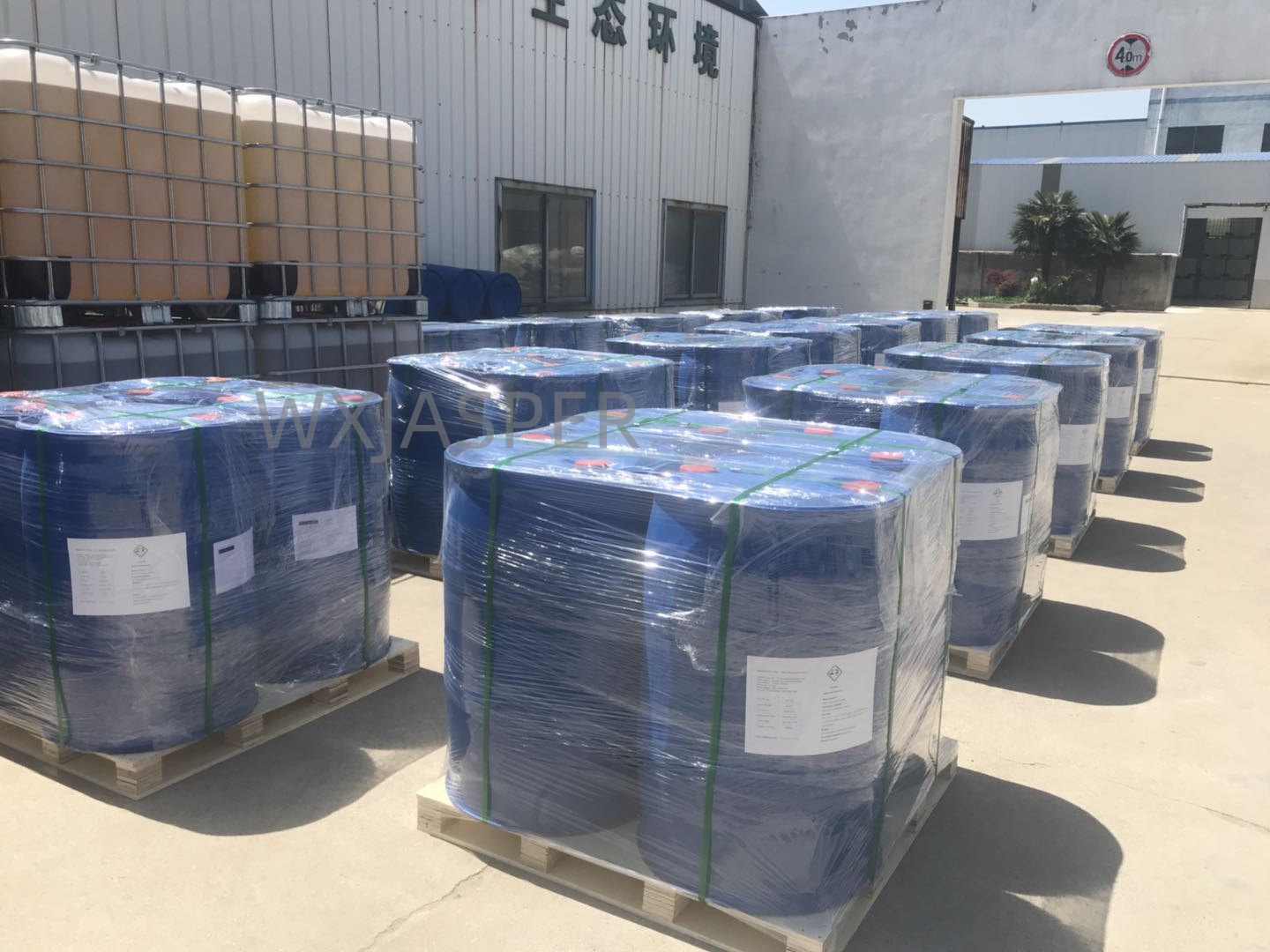
Packing: 200kg/drum
Purity: 80%
Basic Information
|
Model NO. |
79-33-4 |
Appearance |
Liquid |
|
Color |
Colorless |
Purity |
80% |
|
Grade Standard |
Industrial Grade |
Specification |
200kg/drum |
|
Transport Package |
Drum |
Origin |
China |
Product Description
CAS No: 79-33-4
Form: liquid
Product Application
Polylactic Acid (PLA) Monomer Production (The Most Core, Highest-Value Application):
Precursor for Polymer-Grade Lactic Acid: The primary and preferred raw material for producing poly(L-lactic acid) (PLLA). High concentration means a lower dehydration burden and reduced energy consumption in subsequent pre-polymerization, depolymerization, purification, and polymerization processes, facilitating the production of high molecular weight, low-color, high-quality PLA resin. It is the lifeblood raw material of the PLA industry chain.
High-Efficiency Chemical Synthesis Intermediate:
Lactate Ester Production: A key raw material for producing eco-friendly "green solvents" like methyl lactate, ethyl lactate, and butyl lactate. High concentration directly increases esterification reaction rate and conversion, lowering production costs.
Lactate Derivative Salts: Used to produce high-purity sodium lactate, calcium lactate, zinc lactate, etc., for food, pharmaceutical, and industrial additives, resulting in more complete reactions and fewer product impurities.
High-Performance Industrial Cleaning & Treatment:
High-Efficiency Eco-friendly Cleaner: Used to formulate heavy-duty, concentrated industrial cleaners and descalers, especially effective for removing hard water scale and calcium deposits in boilers, heat exchangers, and food processing equipment, with high cleaning power per unit.
Other Specialty Applications:
Electronic Chemicals: Used in high-purity cleaning for semiconductors and PCBs.
Starting material for specialty chemical synthesis.
Packaging
200kg/drum
Storage
Must be stored in a temperature-controlled warehouse (recommended 15-30°C) to prevent crystallization. If crystallized, thaw slowly in a warm water bath and mix thoroughly. Do not use open flame.
Address: Chalin Village, Dingshu Town, Yixing City, Jiangsu Province, China, 214200Email:sales@wxjasper.com
Tel:+86-15906152668Phone:+86-15906152668