Your Location:Home > Products > functional additive > Neodecanoic acid,2-oxiranylmethyl ester
CasNo: 26761-45-5
MF: C13H24O3
Appearance: liquid
Delivery Time: 15 days
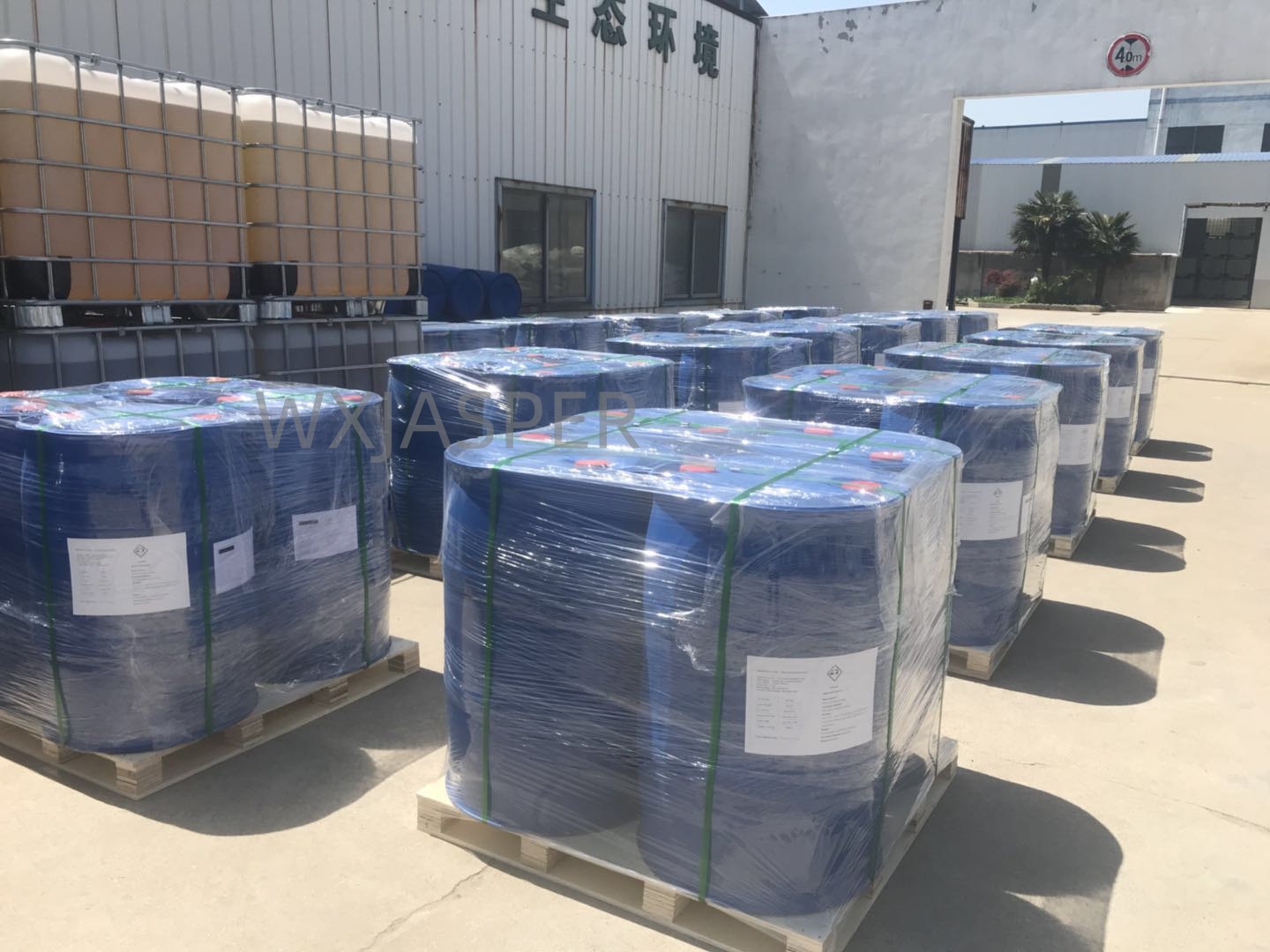
Packing: 200kg/drum
Purity: 99%
Basic Information
|
Model NO. |
26761-45-5 |
Appearance |
Liquid |
|
Color |
Colorless |
Purity |
99% |
|
Grade Standard |
Industrial Grade |
Specification |
200kg/drum |
|
Transport Package |
Drum |
Origin |
China |
Product Description
CAS No: 26761-45-5
Form: liquid
Product Application
Coatings Industry (Core High-End Application):
Outdoor Durability Coating Resin Modifier: Used to modify acrylic, alkyd, and polyester resins. It reacts with resin carboxyl groups, introducing the branched neodecanoate chain. This significantly improves coating film properties: weatherability (UV resistance, anti-chalking, gloss retention), chemical resistance, hydrolysis resistance, flexibility, and adhesion, while substantially reducing resin viscosity and improving application properties. It is a key modifying monomer for top-tier coil coatings, automotive topcoats, marine coatings, industrial protective coatings, and wind turbine blade coatings.
Powder Coating Polyester Resins: Serves as a modifier to improve the overbake resistance, flow, and weatherability of TGIC-cured polyester powder coatings.
Adhesives & Sealants:
Reactive Diluent & Toughener: Used as a reactive diluent for epoxy resin adhesives. It reduces viscosity and improves workability, while its neodecanoate side chain significantly enhances the toughness, impact resistance, and hot/wet aging resistance of the cured product, unlike conventional diluents which often degrade properties.
Composites & Electrical/Electronics:
Epoxy Resin Modification: Used to modify epoxy resins for electronic encapsulation and laminates, improving their dielectric properties, moisture resistance, and toughness.
Packaging
200kg/drum
Storage
Store in a cool, dry, well-ventilated place. Keep container tightly closed. Nitrogen padding is recommended.Away from heat, ignition sources, oxidizers, acids, bases, and amines. Avoid contact with strong acids or bases to prevent epoxide ring-opening.
Address: Chalin Village, Dingshu Town, Yixing City, Jiangsu Province, China, 214200Email:sales@wxjasper.com
Tel:+86-15906152668Phone:+86-15906152668