Your Location:Home > Products > Solvents > 2-(METHACRYLOYLOXY)ETHYL ACETOACETATE
CasNo: 21282-97-3
MF: C10H14O5
Appearance: liquid
Delivery Time: 15 days
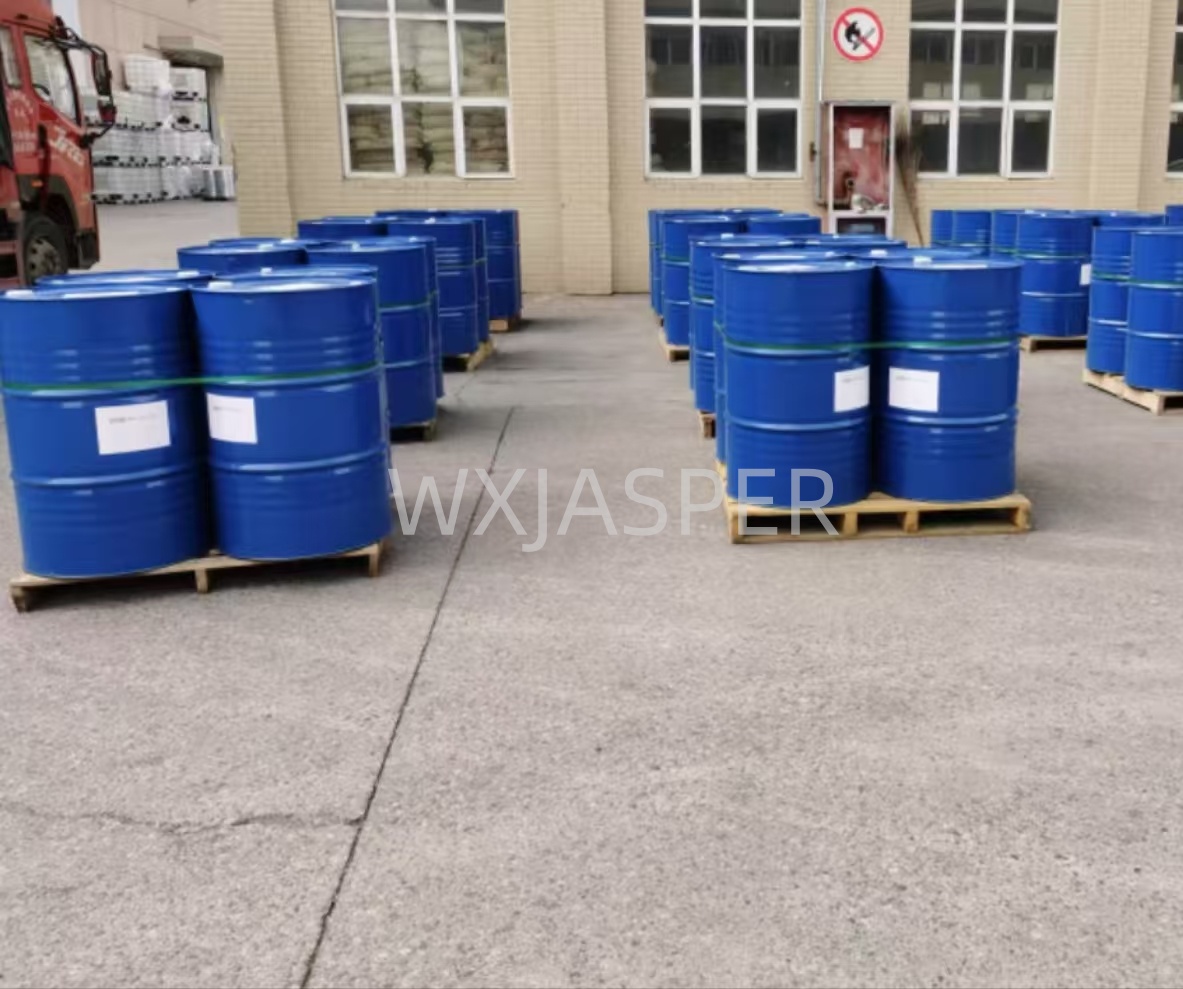
Packing: 200kg/drum
Purity: 98%
Basic Information
|
Model NO. |
21282-97-3 |
Appearance |
Liquid |
|
Color |
Colorless |
Purity |
98% |
|
Grade Standard |
Industrial Grade |
Specification |
200kg/drum |
|
Transport Package |
Drum |
Origin |
China |
Product Description
CAS No: 21282-97-3
Form: liquid
Product Application
Ambient-Cure Coatings & Adhesives (Core Application):
Two-Component (2K) Systems: Serves as a key monomer in the resin component, packaged separately from the amine hardener component (e.g., hydrazides, polyetheramines). Upon mixing, it cures via the ketoamine reaction at room temperature. Used in industrial maintenance coatings, plastic coatings, coil coating primers, etc.
High-Adhesion Coatings:
Used as a functional monomer (2-10% addition) in acrylic, polyester, or polyurethane resins to dramatically improve adhesion to aluminum, galvanized steel, plastics, and other substrates.
Radiation-Curing Materials:
UV-Curable Systems: Functions as a functional monomer participating in photopolymerization. After curing, the residual acetoacetate groups can provide sites for subsequent crosslinking or enhance adhesion.
Waterborne Resin Modification:
Used to synthesize acetoacetate-functional emulsions. After film formation, the acetoacetate groups can crosslink with ambient amines (e.g., ammonia from cementitious substrates) or added polyamines, improving water and chemical resistance.
Reactive Diluent & Modifier:
Acts as a reactive diluent in high-solids coatings, reducing viscosity and participating in the cure.
Used to modify alkyds or epoxies, introducing ambient-cure capability.
Specialty Polymers & Materials:
Used in preparing functional polymers with stimuli-responsiveness, self-healing properties, or special optical characteristics.
Packaging
200kg/drum
Storage
Store in a cool (recommended <10°C), dry, dark, well-ventilated place. Preferably store under an inert atmosphere (nitrogen). Keep containers tightly closed. Avoid elevated storage temperatures to prevent polymerization.
Address: Chalin Village, Dingshu Town, Yixing City, Jiangsu Province, China, 214200Email:sales@wxjasper.com
Tel:+86-15906152668Phone:+86-15906152668