Your Location:Home > Products > Solvents > Trimethylolpropane diallyl ether
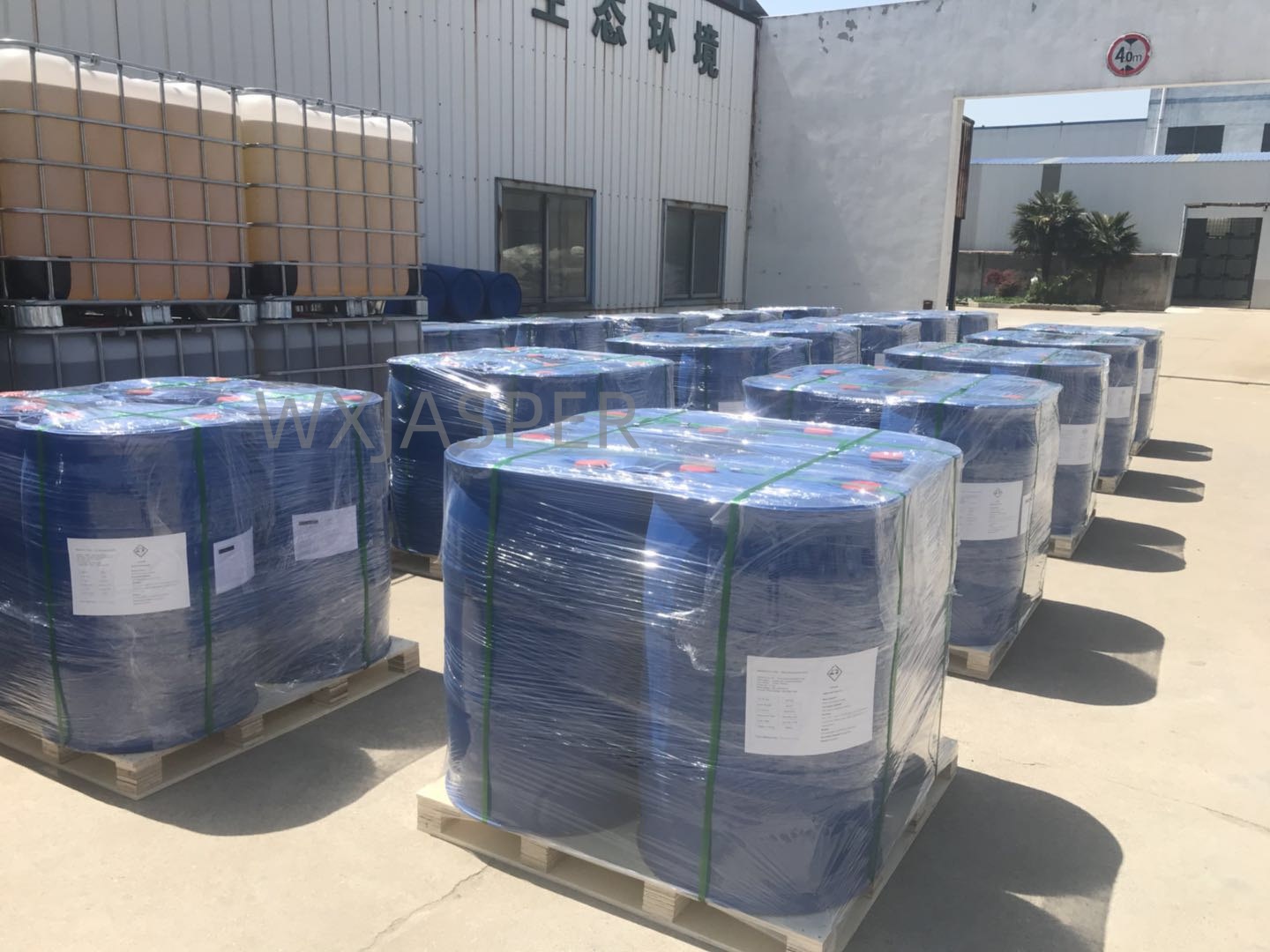
CasNo: 682-09-7
MF: C12H22O3
Appearance: liquid
Delivery Time: 15 days
Packing: 200kg/drum
Purity: 99%
Basic Information
|
Model NO. |
682-09-7 |
Appearance |
Liquid |
|
Color |
Colorless |
Purity |
99% |
|
Grade Standard |
Industrial Grade |
Specification |
200kg/drum |
|
Transport Package |
Drum |
Origin |
China |
Product Description
CAS No: 682-09-7
Form: liquid
Product Application
Radiation Curing Materials (Core Application):
UV/EB Curable Coatings, Inks, Adhesives: Serves as a reactive diluent and crosslinker. Used in conjunction with acrylate oligomers, it participates in the photopolymerization reaction, forming a highly cross-linked network that imparts high hardness, gloss, excellent scratch resistance, and chemical resistance to the coating.
High-Performance Resin Synthesis:
Unsaturated Polyester/Alkyd Modification: Incorporated into the resin chain via esterification of its hydroxyl group. The terminal allyl ether groups allow for subsequent peroxide-initiated crosslinking, improving the resin's cure profile and final mechanical properties.
Specialty Polymer Monomer: Used to synthesize functional polymers with crosslinkable side chains or end-groups, such as moisture-curable, thermally curable, or radiation-curable polyurethanes and epoxies.
Crosslinking Agent:
Used as a co-crosslinking agent in peroxide-cure systems for silicones, EPDM, and other elastomers to enhance crosslinking efficiency and improve the mechanical properties of the vulcanizate.
Organic Synthesis Intermediate:
Utilized for synthesizing more complex organic molecules, such as pharmaceutical intermediates or crown ether compounds, leveraging its allyl and hydroxyl functionalities.
Packaging
200kg/drum
Storage
Store in a cool, dry, well-ventilated area away from heat, sparks, and open flames. Storage under an inert atmosphere (e.g., nitrogen) with the addition of suitable inhibitors (e.g., hydroquinone, MEHQ) is recommended to maintain stability. Keep containers tightly closed. Light-sensitive containers (dark/opaque) are often used.
Address: Chalin Village, Dingshu Town, Yixing City, Jiangsu Province, China, 214200Email:sales@wxjasper.com
Tel:+86-15906152668Phone:+86-15906152668