Product Details
CasNo: 134180-76-0
MF: C15H38O5Si3
Appearance: liquid
Delivery Time: 15 days
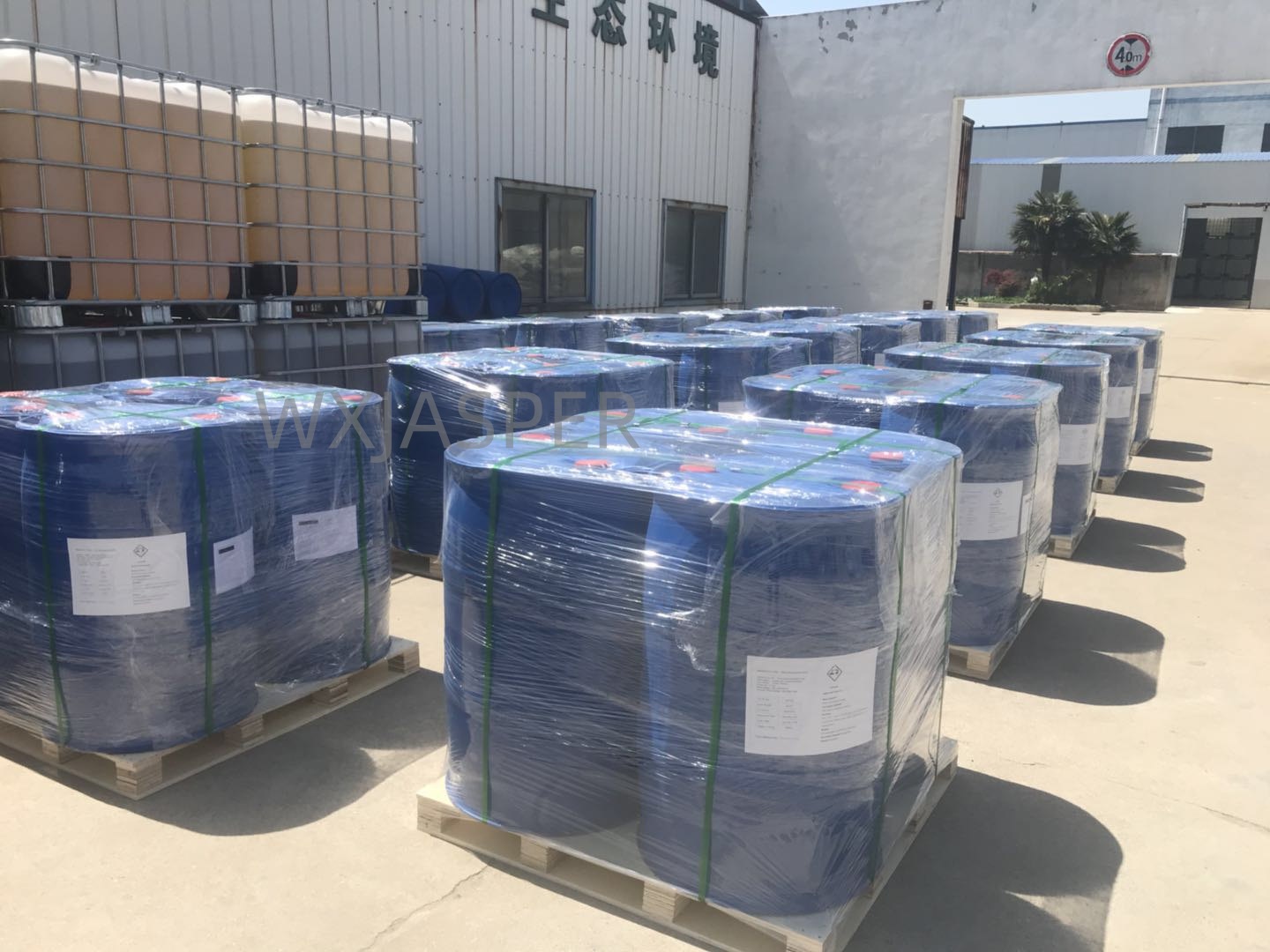
Packing: 200kg/drum
Purity: 99%
1. Core Physicochemical Properties
- Basic Appearance: Based on the common characteristics of similar agricultural silicone surfactants and the product’s parameters, it is presumably a colorless or pale yellow transparent liquid. This appearance facilitates observing the mixing state in the pesticide solution and judging whether the product has deteriorated.
- Key Indicators: The product has a CAS number of 134180-76-0. At 25℃, its viscosity ranges from 20 to 40 cps, with moderate fluidity that enables easy preparation and spraying operations. At a 0.1% concentration, the surface tension can be reduced to below 21 mN/m, which is the core reason for its ability to quickly wet leaf surfaces. The cloud point is lower than 10℃, and the pH value ranges from 6 to 8 (neutral), making it compatible with the acid-base environment of most agricultural chemicals and preventing efficacy reduction caused by reactions.
2. Core Performance Advantages
- Outstanding Low-Foaming Feature: Compared with other products in the same series, RH-SE298 achieves a four-star rating in low-foaming performance, producing little foam during spraying. This avoids uneven spraying caused by foam, reduces pesticide solution waste, and prevents nozzles from being blocked by foam (which affects operation efficiency), making it particularly suitable for large-scale field spraying scenarios.
- Balanced Wetting, Spreading, and Penetrating Performance: It holds a three-star rating in wetting, spreading, and penetrating capabilities. When sprayed, it can quickly reduce the contact angle between the pesticide solution and leaf surfaces, preventing the solution from condensing into water droplets and instead spreading evenly across the leaf surface to expand coverage. Meanwhile, it assists the pesticide solution in penetrating into plants through leaf stomata, solving the problem of poor absorption caused by the waxy layer on the surface of some plant leaves.
- Enhanced Pesticide Solution Stability: After adding this surfactant, the adhesion of the pesticide solution is improved, and its resistance to rain wash is enhanced. Even if it rains shortly after spraying, it can reduce the loss of the pesticide solution, ensure the effectiveness of pesticides, foliar fertilizers, etc., and lower the cost of repeated spraying caused by weather factors.
3. Application Scenarios and Usage Methods
- Application Scope: It has strong compatibility and can be widely used with various agricultural chemicals such as insecticides, fungicides, herbicides, foliar fertilizers, and plant growth regulators. It is suitable for the field management of various crops including rice, wheat, vegetables, and fruits, helping to improve the effective utilization rate of various agricultural chemicals.
- Usage Methods: The conventional recommended dilution ratio is 1500-3000 times. It is essential to follow the "post-addition" principle: first prepare the base pesticide solution, then add this surfactant, stir well, and let it stand for 5 minutes before spraying. This ensures the full exertion of its performance and avoids reactions with other components due to premature addition.
4. Storage and Transportation Recommendations
Referring to the general specifications for agricultural silicone surfactants, RH-SE298 is recommended to be packaged in 50kg or 200kg polyethylene barrels, and customized packaging is available according to user needs. For storage, it should be sealed and placed in a well-ventilated and dry environment at 5-30℃, avoiding direct sunlight and rain to prevent product performance deterioration caused by high temperature and humidity. During transportation, it must not be mixed with strong acids, strong alkalis, or other substances. Additionally, this product is non-hazardous, making the transportation process relatively simple. Under the above conditions, the shelf life is usually 12 months.
5. Precautions
When mixed with agricultural chemicals that are prone to causing phytotoxicity or fertilizer damage, the concentration of RH-SE298 must be reduced first, and small-scale field tests should be conducted. Only after confirming no abnormalities in crop growth can it be promoted for large-scale use. During operation, personal protection is recommended, such as wearing protective clothing and gloves, to avoid discomfort caused by skin penetration of the pesticide solution. Meanwhile, the prepared pesticide solution containing this surfactant should be used immediately and not stored for a long time.