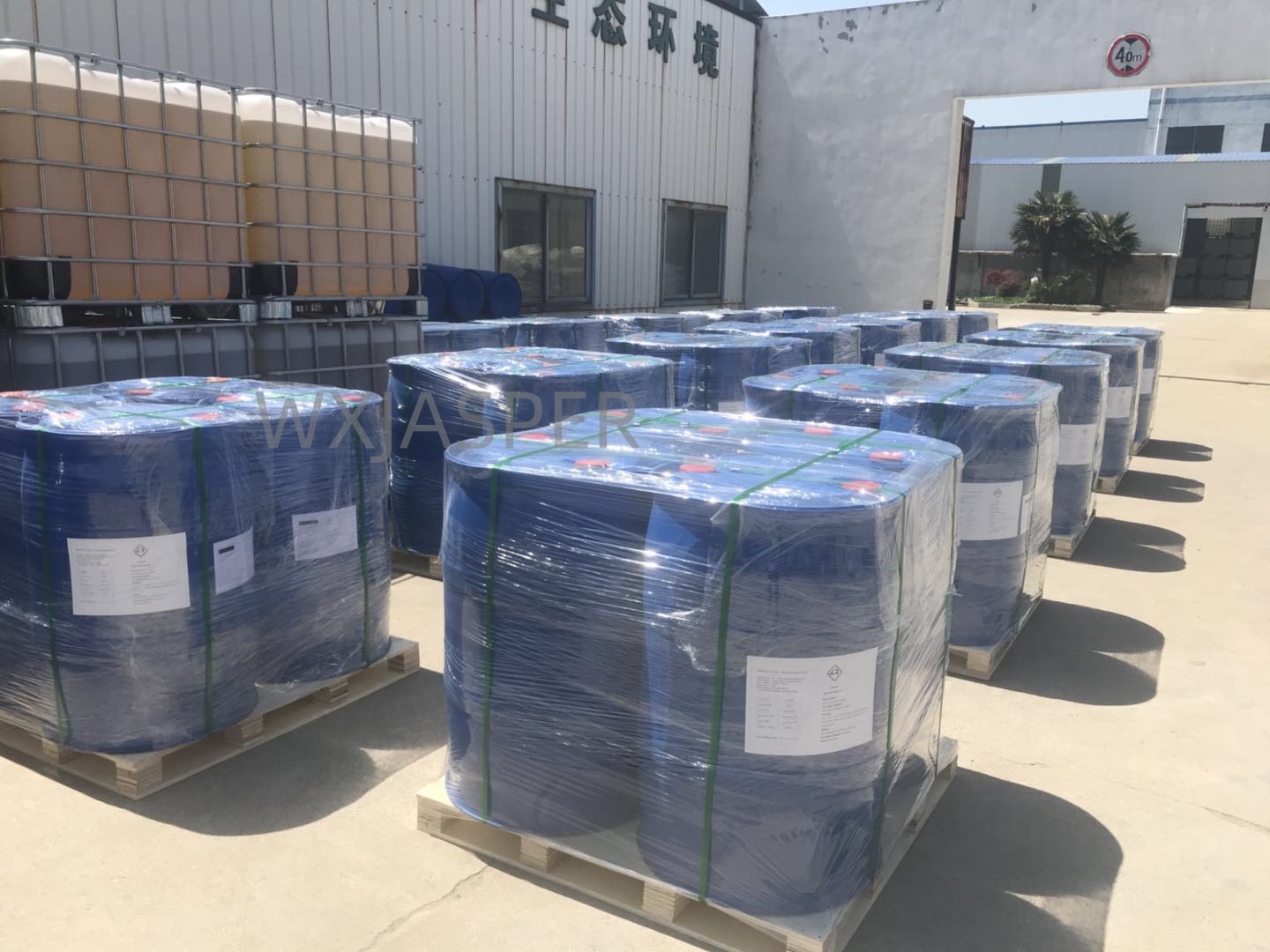
Tallow Amine ethoxylate 5 EO

Basic information

  • Product Name:Tallow Amine ethoxylate 5 EO
  • CasNo.:61791-24-0
  • MF:
  • MW:

Physical and Chemical Properties

  • Purity:99%
  • Boiling Point:
  • Packing:liquid
  • Throughput:
Inquiry

Product Details

CasNo: 61791-24-0

Appearance: liquid

Delivery Time: 15 days

Packing: 200kg/drum

Purity: 99%

1. Basic Product Information

  • Product Category: Non-ionic surfactant (tallow amine ethoxylate type)
  • Chemical Structure: Formed by the addition reaction of tallow amine with 5 moles of ethylene oxide (EO). Its molecular structure includes oil-loving tallow amine alkyl chains and water-loving polyoxyethylene ether chains, with a higher proportion of oil-loving groups than the "10 EO" and "15 EO" grades.
  • Core Functions: Focuses on emulsifying, dispersing, and wetting properties. Due to its low EO polymerization degree, it has prominent oil-loving characteristics and can stably exert surface activity in low-electrolyte environments (e.g., low-concentration pesticide emulsifiable concentrates, oil-based industrial cleaning fluids).

2. Key Properties and Characteristics

2.1 Physicochemical Parameters

Parameter Item Typical Value
Appearance Amber to light brown viscous liquid
Active Matter Content ≥98%
pH Value (1% aqueous solution) 7.0 - 9.0
Solubility Easily soluble in organic solvents (e.g., ethanol, toluene); dispersible in water (stirring required for dissolution)
Cloud Point (1% aqueous solution) 40 - 50℃

2.2 Core Functional Advantages

  • Strong Oil-Loving Adaptability: With a high proportion of oil-loving groups, it can efficiently emulsify oil-phase components (e.g., mineral oil, aromatic solvents), especially suitable for oil-based formulations (e.g., high-oil-content pesticide emulsifiable concentrates).
  • Low-Electrolyte Stability: It maintains stable emulsifying and dispersing effects in systems with low-concentration salts and pesticide active ingredients (e.g., emulsifiable concentrates with 10% active ingredients), avoiding system stratification caused by excessive hydrophilicity.
  • Strong Formulation Compatibility: It can be compounded with anionic and cationic surfactants, and is compatible with most functional additives (e.g., stabilizers, thickeners), adapting to oil-based complex formulations.
  • Good Environmental Adaptability: It is resistant to acids and alkalis (stable in the pH 5-10 range) and hard water, requiring no additional water quality adjustment in industrial scenarios with low water quality requirements (e.g., ore flotation, asphalt emulsification).

3. Main Application Fields

3.1 Pesticide Formulations

  • Used as the main emulsifier in high-oil-content emulsifiable concentrates (EC), compatible with organophosphate and pyrethroid pesticide active ingredients, with a typical addition amount of 8-18%.
  • It can improve the dispersion stability of oil-based pesticides, reduce stratification and precipitation during storage, and is particularly suitable for formulation storage in low-temperature environments in northern regions.

3.2 Industrial Cleaning

  • Applied in oil-based industrial cleaning agents (e.g., mechanical heavy oil stain cleaners) as an emulsifier to quickly strip mineral oil and lubricating oil stains from metal surfaces.
  • Suitable for mining machinery cleaning fluids, maintaining stable emulsifying effects even in environments containing small amounts of dust electrolytes.

3.3 Asphalt and Building Materials

  • Used as a slow-setting asphalt emulsifier in road asphalt emulsification, helping to form stable water-in-oil emulsified asphalt and improve the bonding strength of pavement paving.
  • Compatible with waterproof coating formulations, enhancing the adhesion between oil-based resins and substrates and improving waterproof performance.

3.4 Other Fields

  • Ore Flotation: Applied in the flotation of non-ferrous metal ores (e.g., copper, lead-zinc ores) as a collector to enhance the hydrophobicity of mineral surfaces and improve separation efficiency from gangue.
  • Textile Auxiliaries: Used in textile oil formulations to improve the lubricity and antistatic properties of fibers, reducing yarn breakage during weaving.

4. Usage Precautions

  • Storage: Store in a sealed container in a cool, dry place, avoiding high temperatures (>80℃) and direct sunlight. Viscosity may increase in low-temperature environments; heating to 40-50℃ can restore fluidity. The typical shelf life is 12 months.
  • Operation: Avoid direct contact with skin or eyes; in case of accidental contact, rinse immediately with plenty of clean water. Stirring is required during dissolution to prevent local caking caused by poor solubility.
  • Compounding: When compounding with water-based surfactants, it is recommended to dissolve it in an organic solvent (e.g., ethanol) first before adding it to the aqueous phase to reduce stratification risk; a small-scale test is required to determine the compounding ratio.
  • Concentration Control: The addition amount is 8-18% in the pesticide field, and can be adjusted to 15-30% in the industrial cleaning field based on the severity of oil stains.