Product Details
CasNo: 68585-34-2
MF: C12H26Na2O5S
Appearance: liquid
Delivery Time: 15 days
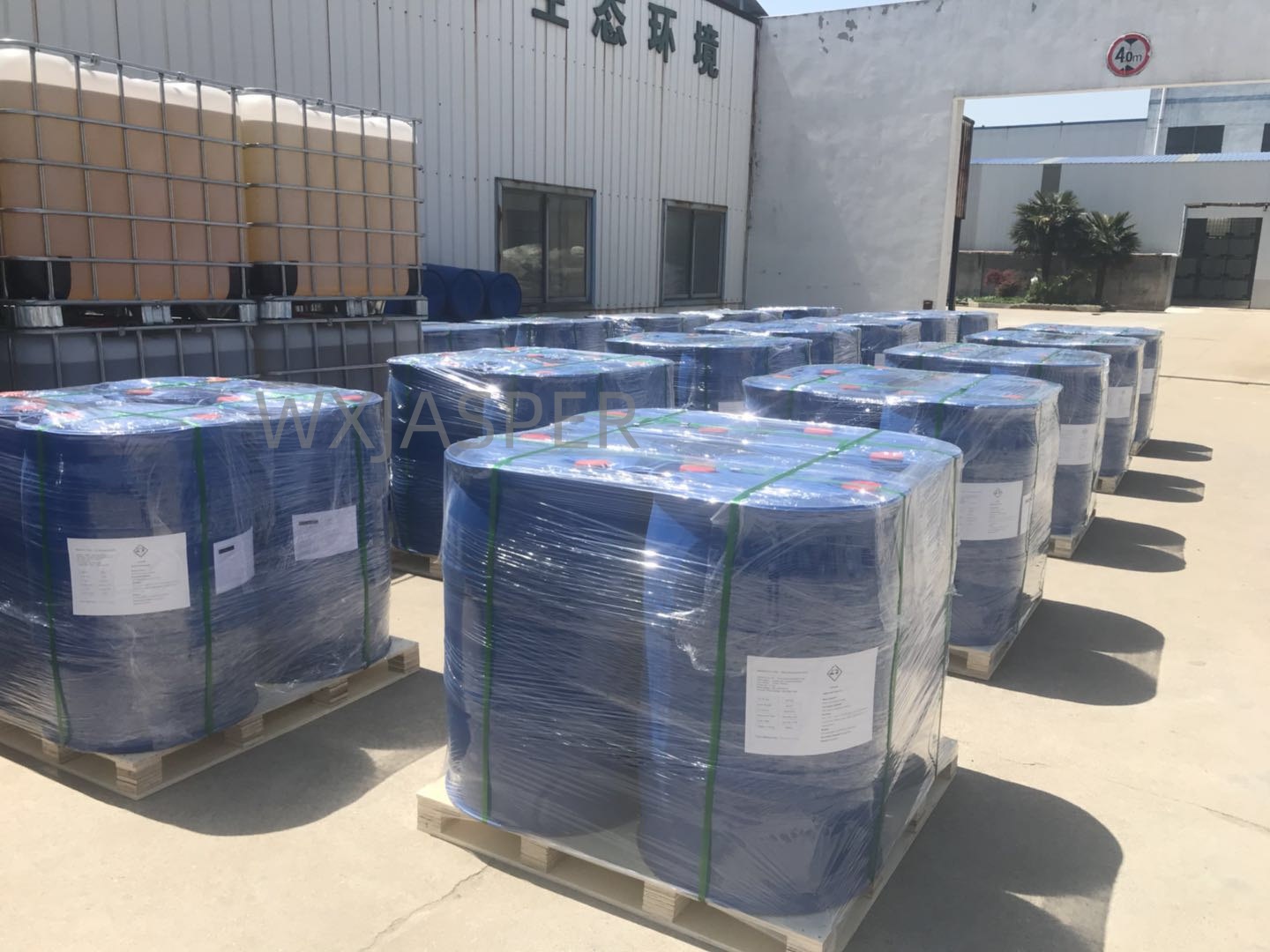
Packing: 200kg/drum
Purity: 99%
1. Basic Product Information
Nansa EVM 70 is a high-performance anionic surfactant classified under the alkyl ether sulfate (AES) category. It is widely used in industrial cleaning, metalworking fluids, textile auxiliaries, and other fields, thanks to its excellent emulsifying, detergency, and wetting properties.
2. Core Properties and Characteristics
2.1 Chemical Composition and Structure
- Its main component is sodium laureth sulfate (SLES). Its molecular structure features both oil-loving alkyl chains and water-loving sulfate groups, making it a typical "amphiphilic" surfactant that can efficiently reduce the oil-water interfacial tension.
2.2 Key Physicochemical Parameters
| Parameter Item |
Typical Value |
| Appearance |
Colorless to pale yellow transparent liquid |
| Active Matter Content |
70% ± 2% |
| pH Value (1% aqueous solution) |
7.0 - 9.0 |
| Solubility |
Easily soluble in polar solvents such as water and ethanol |
| Stability |
Resistant to hard water, weak acids, and weak alkalis; stable in a wide pH range |
2.3 Core Functional Advantages
- Strong Emulsifying and Detergent Power: It has excellent emulsifying and dispersing capabilities for oils such as mineral oil, animal oil, and vegetable oil, and can quickly remove stubborn stains from solid surfaces.
- Excellent Wetting Performance: It can significantly reduce the surface tension of liquids and improve the spreadability of formulations on solid surfaces (e.g., enhancing the cooling and lubricating effects of cutting fluids in metalworking fluids).
- Good Compatibility: It can be compounded with non-ionic and cationic surfactants, and is compatible with most industrial additives (such as corrosion inhibitors and bactericides), offering high flexibility in formulation design.
3. Main Application Fields
3.1 Industrial Cleaning
- Used in heavy oil stain cleaners (e.g., machine tool and mechanical part cleaners), it can replace traditional solvent-based cleaners, combining environmental friendliness and cleaning power.
3.2 Metalworking Fluids
- As a component of emulsifiers and cleaners in semi-synthetic/full-synthetic cutting fluids, it helps form stable emulsions and assists in removing metal chips and oil stains.
3.3 Textile Auxiliaries
- Applied in textile pre-treatment (desizing, scouring), it aids in removing oil and wax from fiber surfaces, improving the uniformity of subsequent dyeing/printing processes.
3.4 Other Fields
- It can also be used in water treatment (as a dispersant) and pesticide auxiliaries (to enhance the spreadability of pesticide solutions).
4. Usage Precautions
- Storage: Store in a sealed container in a cool and dry place, away from high temperatures and direct sunlight. The typical shelf life is 12 months.
- Operation: Avoid direct contact with skin or eyes. In case of accidental contact, rinse immediately with plenty of clean water.
- Compounding: A small-scale test is recommended to determine the compounding ratio (as compatibility varies in different systems).