Product Details
CasNo: 4913-13-7
MF: C10H15N
Appearance: liquid
Delivery Time: 15 days
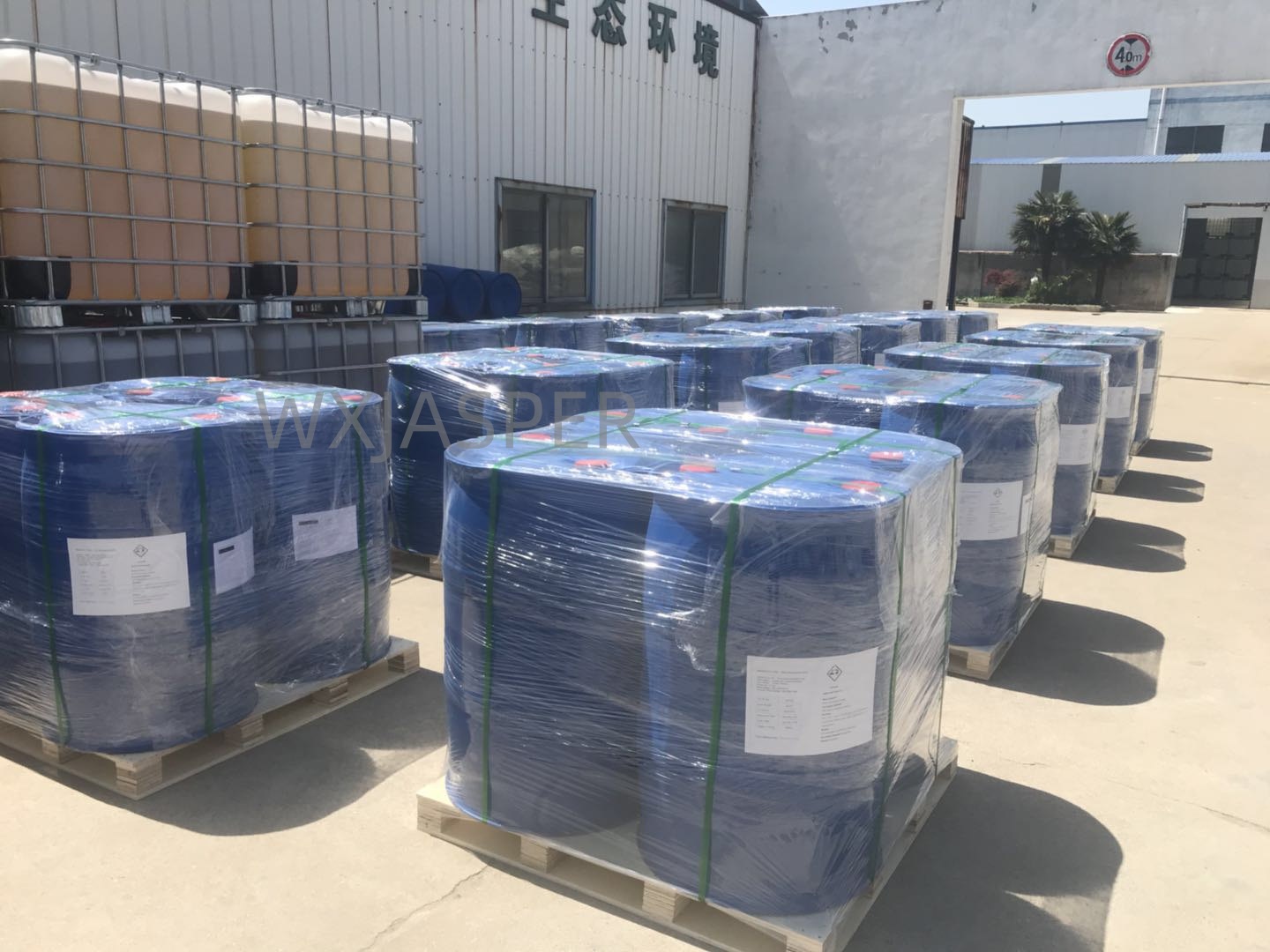
Packing: 200kg/drum
Purity: 99%
1. Chemical and Physical Properties
- Chemical Type: Modified phosphate-based non-ionic surfactant.
- Appearance and Physicochemical Indicators: Pale yellow to amber viscous liquid. Density: ~0.98–1.05 g/cm³ (20℃). pH (1% aqueous solution): 5.0–7.0. Miscible with most organic solvents (e.g., xylene, mineral oil) and water in any proportion.
2. Mechanism of Action
- Synergistic Emulsification and Dispersion: The phosphate groups in the molecule are compatible with the oil phase, while the polyoxyethylene segments are compatible with the aqueous phase. By reducing the oil-water interfacial tension, pesticide active ingredients can be rapidly emulsified and dispersed in the oil-water system to form a stable emulsion. Meanwhile, steric hindrance effects form a protective film on the surface of emulsified particles to prevent aggregation.
- System Compatibility: It has good adaptability to various pesticide active ingredients (e.g., pyrethroids, abamectin, fungicides) and can synergize with other anionic and non-ionic additives.
3. Key Application Technical Points
- Addition Amount: Typically 5%–12% of the pesticide formulation mass (adjusted based on active ingredient properties; e.g., ~8% in beta-cypermethrin 5% EC, ~10% in propiconazole ME).
- Addition Method: Uniformly mixed with active ingredients, solvents, etc., during the emulsification and mixing stage of formulations like EC and ME to ensure even distribution.
- Compatibility: Can be used synergistically with most anionic emulsifiers (e.g., alkylbenzenesulfonates) and non-ionic dispersants. Avoid long-term contact with strongly acidic or alkaline additives.
4. Performance Advantages and Market Value
- Efficient Emulsification and Dispersion: In EC/ME formulations of hard-to-emulsify active ingredients (e.g., beta-cypermethrin, abamectin, propiconazole), emulsification time is controlled within 5 minutes, and emulsion stability (30-day ambient storage) is ≥99%—significantly better than traditional emulsifiers (emulsification time 10–15 minutes, stability ≤95%).
- Cost-Effectiveness: Competitive procurement cost compared to similar imported additives. High emulsification efficiency can reduce solvent usage by 5%–10%, effectively lowering formulation costs for pesticide manufacturers.
- Storage Stability: After 14-day high-temperature storage at 54℃, emulsification performance attenuation of formulations containing Atlox 4913 is ≤4%, meeting long-term storage and transportation requirements of major global agricultural markets.